

Electric bills rarely come with surprises you enjoy. Sometimes, they climb for reasons that don’t make sense at first glance. Choosing between AEP energy and retail suppliers can change how much you pay, but the numbers on your bill depend on more than the headline rate. Hidden factors play a bigger role than most people realize. Understanding these details can save you from bill shock. By looking past the obvious, you can spot where extra costs come from. And once you see the patterns, it becomes easier to pick the right supplier and manage your usage smarter.
Seasonal Spikes in Demand
Summer and winter in Ohio put pressure on your energy use. Air conditioning in July and heating in January can double your consumption without you noticing. Even if your supplier’s rate looks steady, usage changes push the bill higher. Retail suppliers sometimes offer fixed rates, which help with predictability. But if you crank up the thermostat or run multiple space heaters, the cost still grows. Watching your seasonal habits is just as important as comparing suppliers.
Delivery Charges From the Utility
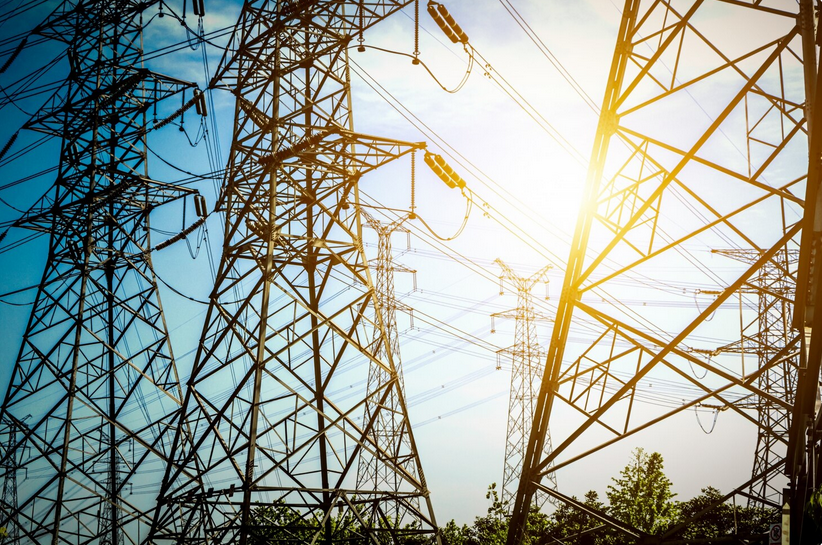
No matter which supplier you pick, the local utility still delivers the power. That means delivery charges stay on your bill. Many households confuse these charges with supplier rates and think they’re being overcharged. In reality, it’s just two separate costs. AEP Ohio continues to handle infrastructure, line maintenance, and service. Retail suppliers only cover generation. Knowing this distinction helps you set realistic expectations about your bill.
Contract Terms That Sneak Up
Some retail suppliers advertise low introductory rates. They look appealing until the initial term ends, and prices climb. Contracts may also include early termination fees, which turn switching into an expensive mistake. Carefully reviewing the contract details helps you avoid unexpected costs. Offers that seem unusually attractive often come with hidden conditions. The agreement you sign should support your needs, not lock you into paying higher bills than expected.
Time of Day Pricing
Some suppliers offer time-of-use plans. That means rates are cheaper during off-peak hours and higher when demand peaks. Running laundry at midnight might save you money, while running it at 6 p.m. could cost extra. It sounds complicated, but it can work for households with flexible schedules. The catch is that if your lifestyle doesn’t match the plan, you could end up paying more. Understanding your daily routine is key before signing up.
Renewable Energy Options

Green energy plans are becoming more common. They let you support wind, solar, or hydro projects while powering your home. Costs used to be higher, but competition has made them more affordable. If sustainability matters to you, these options can be a smart choice. Just remember that “renewable” doesn’t automatically mean cheaper. It’s still worth comparing the rates side by side with the standard supply.
Why Paying Attention Pays Off
Bills are more than just a flat rate multiplied by usage. They reflect habits, contract details, and service charges layered together. Ignoring these factors leaves you at the mercy of surprises each month. By keeping an eye on usage, reviewing contract terms, and checking rate structures, you get more control. Energy might not be exciting, but understanding how it works puts money back in your pocket. And that’s a win worth flipping the switch for.…