
Malaysia’s position on Taiwan has attracted fresh attention after Prime Minister Anwar Ibrahim used unusually direct language in an August 2026 interview. He said he saw Taiwan as part of China and later maintained that Malaysia’s One China policy had not changed. Pro-china remarks by Anwar Ibrahim have since drawn attention because Kuala Lumpur has long balanced its formal position toward Beijing with extensive unofficial economic and technological links with Taiwan. The recent debate is therefore less about a completely new policy and more about how openly Malaysia now describes an established position.
Tracing the 1974 Diplomatic Foundation
Malaysia’s One China policy dates to the establishment of diplomatic relations with the People’s Republic of China in 1974. The joint communiqué signed on May 31 that year recognized the PRC as the sole legal government of China. Malaysia subsequently maintained its position while developing relations with Taiwan without formal diplomatic recognition. Malaysia’s Foreign Ministry has continued to refer to the 1974 communiqué when describing its policy. In a 2024 joint statement with China, Kuala Lumpur again said it firmly supported the One China Policy and would not support calls for Taiwan independence.
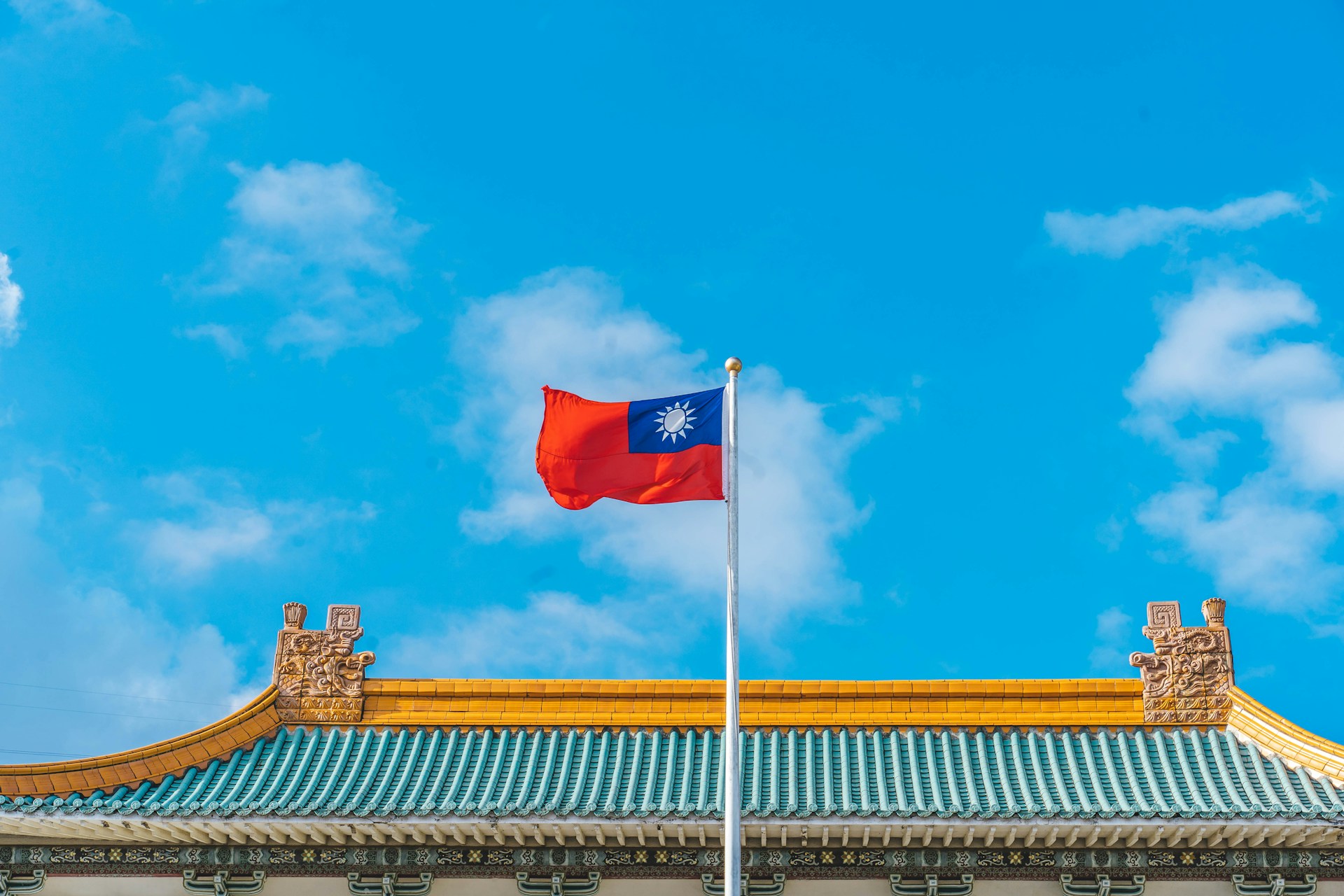
Maintaining Unofficial Ties With Taiwan
Formal diplomatic recognition of Beijing did not eliminate Malaysia’s practical relationship with Taiwan. The two sides maintain representative offices rather than embassies, allowing economic, cultural, educational, and other contacts to continue. Trade has become particularly important. Malaysian and Taiwanese businesses are connected through manufacturing, electronics, technology, and supply chains. In 2025, bilateral trade reached about US$54.49 billion, making Taiwan Malaysia’s fourth-largest trading partner that year. This relationship illustrates why diplomatic language and economic policy can operate on partly separate tracks.
Moving Toward More Explicit Language
Anwar’s August remarks changed the tone of the discussion. In an interview with Al Jazeera, he said, “I see Taiwan as part of China, period.” He also discussed China’s refusal to rule out force in the event of failed reunification efforts and compared the issue with territorial integrity in other countries. Taiwan’s foreign ministry strongly rejected his characterization, while Chinese officials welcomed the remarks as consistent with Beijing’s position. The important distinction is between Malaysia’s longstanding policy and the unusually categorical way its political leadership expressed that policy.
Examining The Diplomatic Distinction
There is a useful distinction between recognizing Beijing and adopting every element of Beijing’s preferred terminology. Malaysia’s official documents can be precise about its recognition of the PRC while emphasizing peaceful settlement and regional stability. That distinction helps explain why recent remarks generated debate even though officials described the underlying policy as longstanding. It also shows how a government can preserve formal continuity while changing the public emphasis placed on sovereignty, reunification, and territorial integrity.
Reaffirming Peace And Continuity
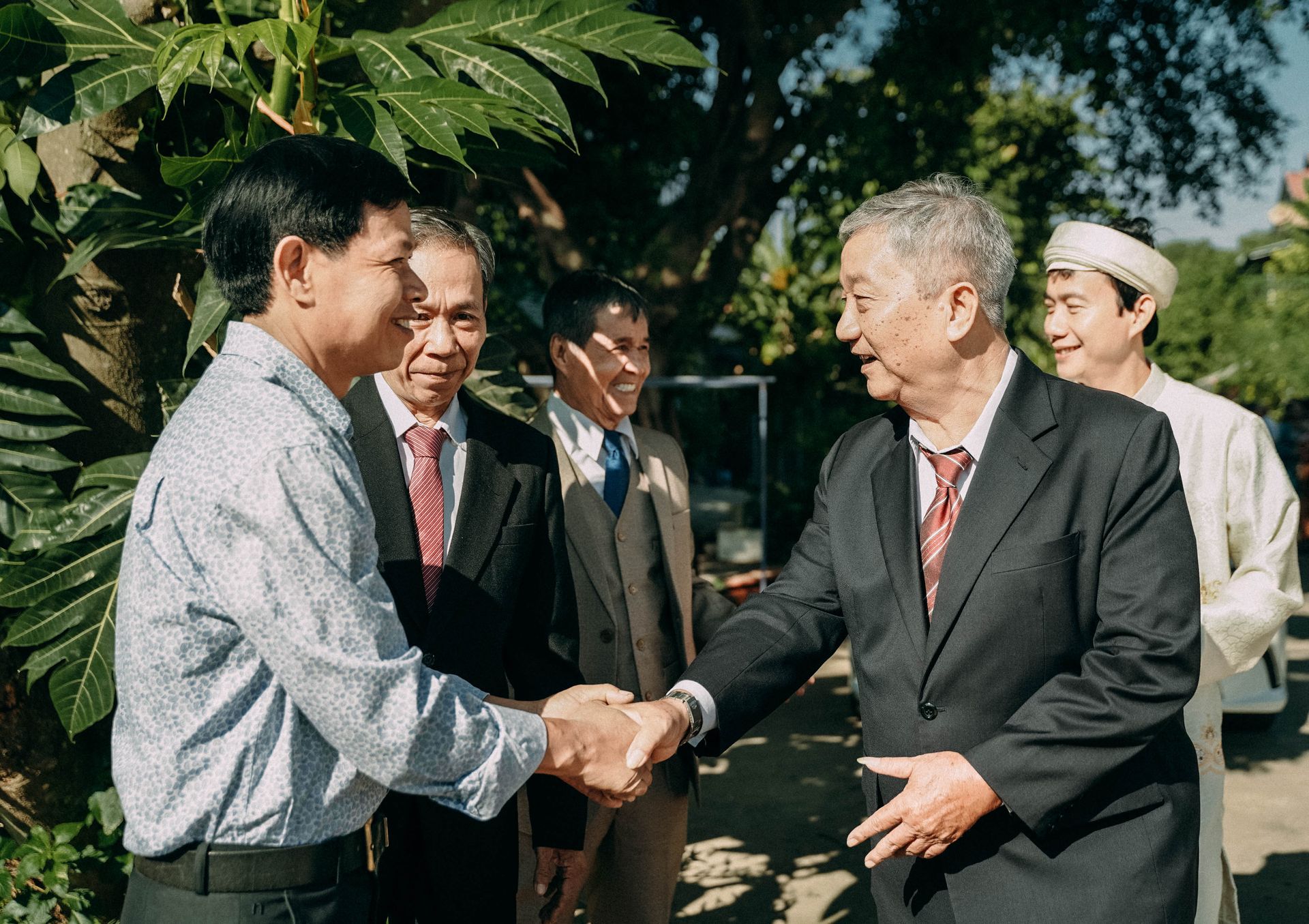
After the reaction, Anwar emphasized that Malaysia still preferred a peaceful approach. On August 20, he said the One China policy dated back to the administration of former Prime Minister Abdul Razak Hussein and remained in place. He also said Malaysia respected China’s position while favoring a peaceful solution. Malaysian government officials similarly described his comments as consistent with the country’s established position. This suggests that Kuala Lumpur does not present the episode as a formal policy change. Instead, the government frames it as a clearer articulation of a policy it says has existed for decades.
Malaysia’s Taiwan policy now sits at the intersection of several interests. Its relationship with China is strategically and economically significant, while Taiwan remains an important commercial and technological partner. At the same time, Malaysia has traditionally emphasized non-alignment and regional stability. The sharper wording around Taiwan can therefore attract attention even if the formal policy remains unchanged. Analysts have noted that the comments may reinforce perceptions of closer alignment with Beijing, while the government continues to stress peace and continuity. For observers, the key issue is not simply whether Malaysia supports the One China policy. It is how its language evolves, how that language is received in Taipei and Beijing, and whether future statements continue to preserve room for Malaysia’s wider economic and diplomatic relationships. The recent episode shows why diplomatic wording deserves close attention. A policy can remain formally unchanged while the language used to explain it becomes more direct.